Author: Nicholas
-
Warehouse Safety Is Back in OSHA’s Spotlight: What Employers Should Be Reviewing Now
Warehouses and distribution centers are complex workplaces. Powered industrial trucks move alongside pedestrians, employees manually handle materials throughout a shift, products are stacked vertically in racking systems, trailers are loaded and unloaded, emergency exits must remain accessible, and production demands can change dramatically from one day to the next. Add summer heat, repetitive work, automated… Read more
-
2027 NFPA 70E: What Changed and What Employers Should Do About It
Electrical safety is one of those areas where a workplace can appear safe right up until the moment something goes seriously wrong. Electrical panels may be closed, equipment may be operating normally, and employees may perform the same tasks hundreds of times without an incident. That familiarity can create a dangerous sense of confidence because… Read more
-
What can a professional basketball career teach us about safety leadership? More than you might think!
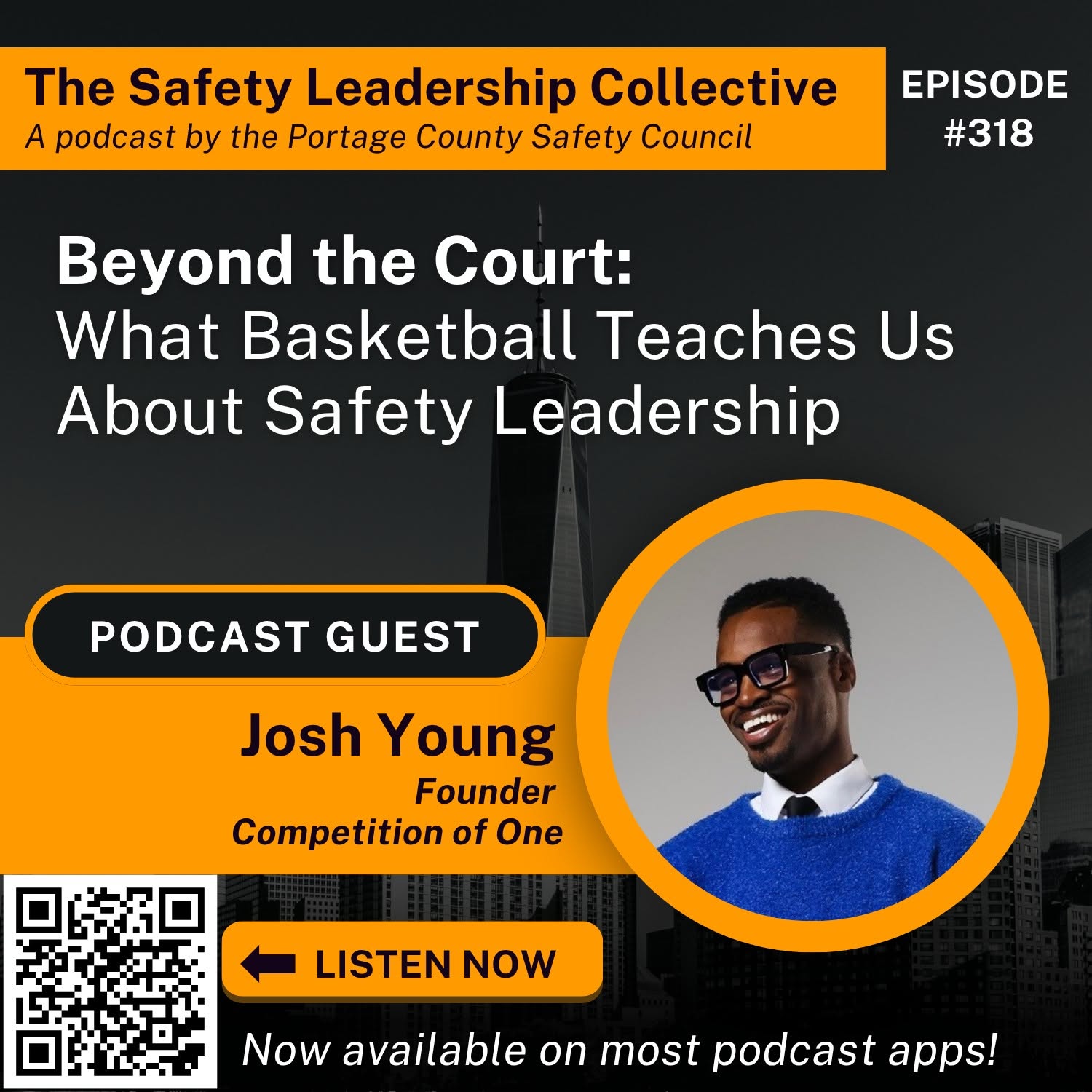
In Episode 318 of the Safety Leadership Collective, former pro basketball player Josh Young takes us from the hardwood to the workplace, sharing powerful lessons about leadership, behavior, culture, and trust. Josh brings a unique perspective on how leadership, environment, and belief shape behavior and culture. Great safety leadership isn’t just about policies or outcomes.… Read more
-
Safe + Sound Week: A Five-Day Action Plan to Jump-Start Your Safety Culture
Safe + Sound Week is an opportunity to talk about workplace safety, recognize employees, and highlight the importance of protecting people. But what if your organization used the week for something bigger? What if five days became the starting point for changing how your organization identifies, discusses, and manages risk throughout the year? That does… Read more
-
Work as Written vs. Work as Done: Where Risk Really Hides
Most organizations have procedures that describe how work is supposed to be performed. They have standard operating procedures, job hazard analyses, lockout/tagout instructions, training materials, work rules, and written expectations. Considerable time may have been invested in developing these documents, and employees may have been trained on them repeatedly. On paper, the process often looks… Read more
-
Beyond Compliance | Part 4
The First 30 Seconds: How Leaders Shape Safety Culture One Conversation at a Time Every organization says they want employees to report hazards. Leaders encourage workers to identify unsafe conditions, report near misses, ask questions, and stop work when something doesn’t look right. Safety meetings emphasize communication, posters encourage reporting, and company policies often reinforce… Read more
-
Beyond Compliance | Part 3
If Employees Aren’t Speaking Up, Your Safety System Is Already Talking One of the most common concerns I hear from organizational leaders is surprisingly consistent across industries. “Our employees just won’t report hazards.” Sometimes the concern is about near misses. Sometimes it is unsafe conditions, quality concerns, or process improvements. Regardless of the topic, the… Read more
-
Leaking Strength: From Bedridden to Record-Breaker
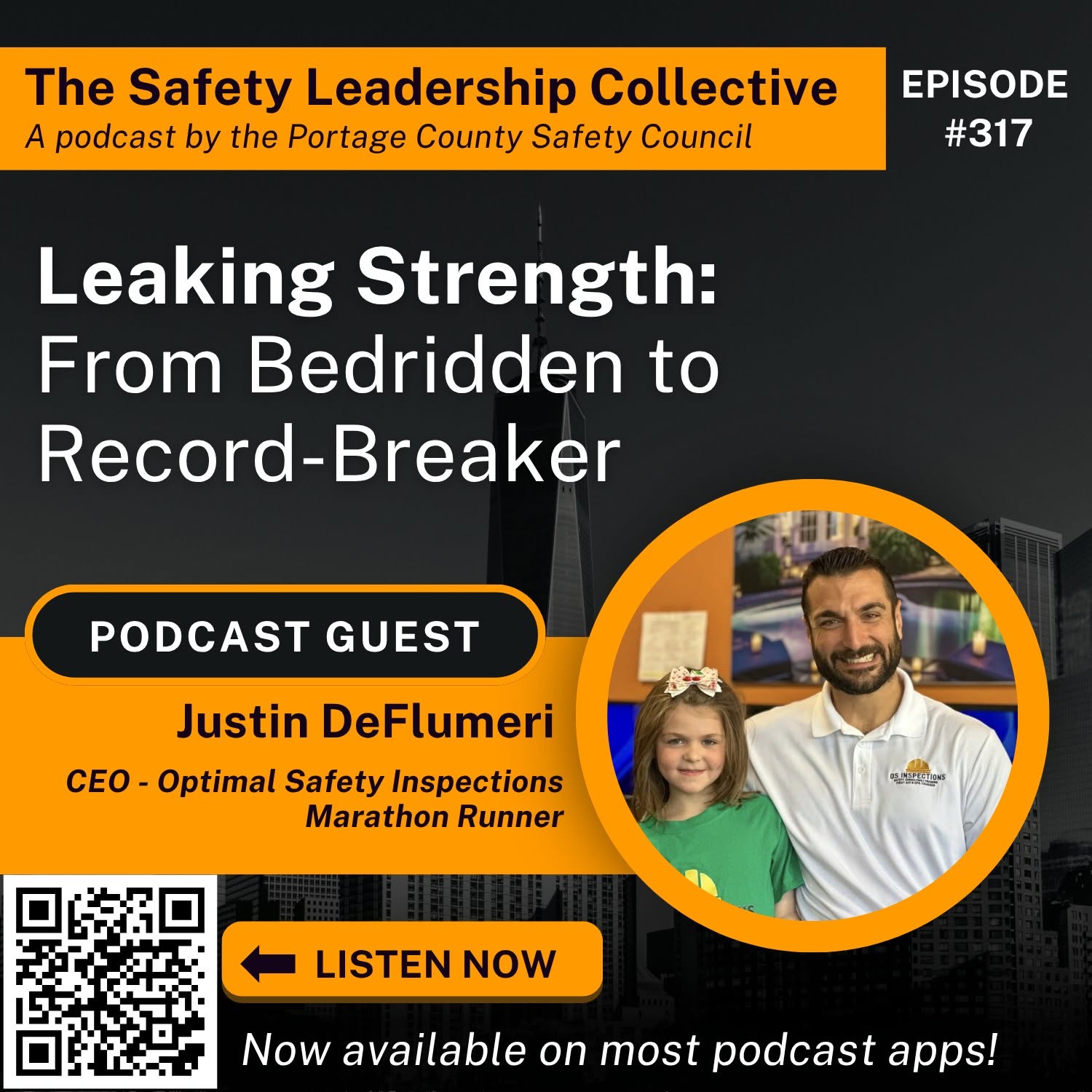
When Life Knocks You Down, Your Greatest Strength Can Rise Some stories stay with you long after the conversation ends. This is one of them. In Episode 317, Justin Deflumeri, CEO of Optimal Safety Inspection LLC, shares one of the most remarkable comeback stories you’ll ever hear! After a botched lumbar puncture caused a devastating… Read more
-
𝐁𝐞𝐲𝐨𝐧𝐝 𝐂𝐨𝐦𝐩𝐥𝐢𝐚𝐧𝐜𝐞 | 𝐏𝐚𝐫𝐭 𝟐
𝐈𝐟 𝐲𝐨𝐮𝐫 𝐦𝐨𝐬𝐭 𝐢𝐦𝐩𝐨𝐫𝐭𝐚𝐧𝐭 𝐬𝐚𝐟𝐞𝐭𝐲 𝐦𝐞𝐭𝐫𝐢𝐜 𝐢𝐬 𝐢𝐧𝐣𝐮𝐫𝐢𝐞𝐬… You’re measuring history. Most organizations proudly track OSHA recordables, lost-time injuries, and Days Away, Restricted, or Transferred (DART) rates. Those numbers are important, but they all have one thing in common: They tell you what has already happened. They don’t tell you what’s about to happen. According… Read more
-
Beyond Compliance Part 1: Compliance Isn’t the Goal: Building a Safety Program That Actually Reduces Risk
Compliance matters. Every employer has a responsibility to understand OSHA requirements, follow applicable standards, and provide a workplace free from recognized hazards. Regulations create a necessary foundation for workplace safety, and organizations should never treat compliance as optional or unimportant. However, compliance alone should not be the final measure of a safety program’s success. The… Read more